
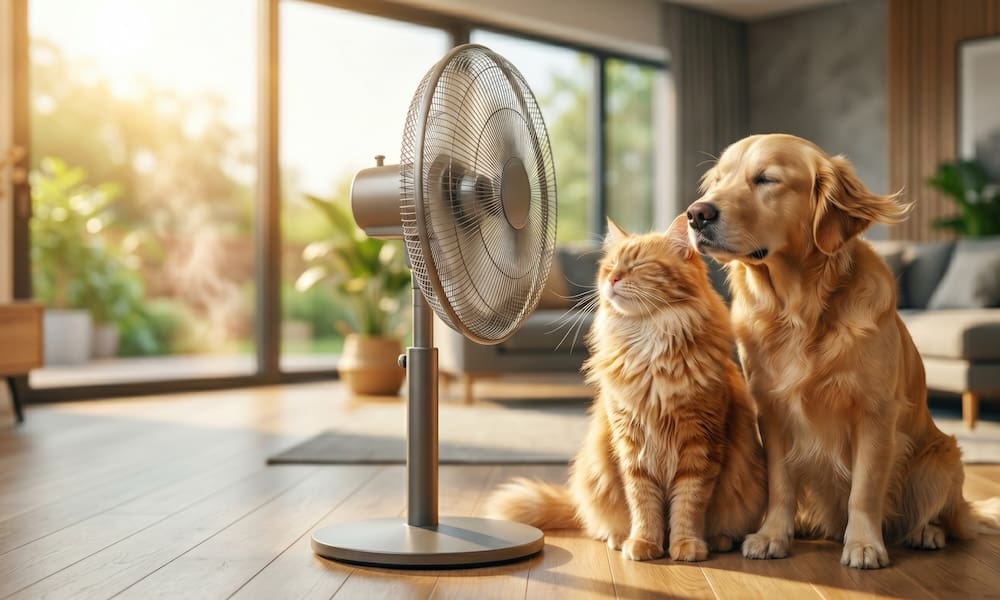
As temperatures rise, it’s important to take precautions to ensure your safety and well-being during hot weather. Whether you’re spending time outdoors or simply trying to stay cool at home, these tips can help you navigate the heat safely.
Understanding Heat-Related Risks
Recognizing Heat-Related Illnesses
Prolonged exposure to high temperatures can lead to heat-related illnesses such as heat exhaustion and heat stroke. It’s crucial to recognize the symptoms early to prevent serious health issues. Symptoms of heat exhaustion include heavy sweating, weakness, dizziness, nausea, and headache. Heat stroke, a more severe condition, can cause confusion, rapid pulse, and even unconsciousness. If you or someone else experiences these symptoms, seek medical attention immediately.
Practical Tips for Staying Cool
Hydration is Key
One of the most effective ways to combat the heat is by staying hydrated. Drink plenty of water throughout the day, even if you don’t feel thirsty. Avoid beverages that can dehydrate you, such as alcohol and caffeinated drinks. Consider carrying a reusable water bottle with you to ensure you have access to water wherever you go.
Dress Appropriately
Wearing light, loose-fitting clothing can help your body regulate its temperature more effectively. Opt for light-colored fabrics that reflect, rather than absorb, the sun’s rays. A wide-brimmed hat and sunglasses can also provide additional protection from the sun.
Limit Outdoor Activities
Try to schedule outdoor activities during the cooler parts of the day, such as early morning or late evening. If you must be outside during peak heat, take frequent breaks in the shade or indoors to cool down.
Use Fans and Air Conditioning
If possible, stay in air-conditioned environments during the hottest parts of the day. Fans can also help circulate air and create a cooling effect. If you don’t have air conditioning at home, consider visiting public places like libraries or shopping centers to stay cool.
Keeping Your Home Cool
Optimize Your Home Environment
Close blinds or curtains to block out direct sunlight, and use fans to circulate air. If you have an air conditioning unit, ensure it’s functioning efficiently by cleaning filters and checking for any maintenance needs.
Create a Cooling Routine
Take cool showers or baths to lower your body temperature. You can also use damp washcloths on your neck, wrists, and forehead for a quick cooling effect.
By taking these precautions, you can enjoy the summer months while minimizing the risks associated with hot weather. For more personalized advice or information about how your insurance policy can support you during extreme weather conditions, feel free to reach out to our agency. We’re here to help you stay safe and informed.


