As a small contractor in Webster and Boone County, whether you’re a handyman, carpenter, HVAC technician, electrician, painter, or landscaper, it’s crucial to understand the nuances of insurance coverage. The “minimum coverage” trap can leave you vulnerable to significant financial risks. Here’s what you need to know to protect your business effectively.
Understanding General Liability Limits
General liability insurance is a cornerstone of any contractor’s risk management strategy. The standard coverage limit of $1 million per occurrence and $2 million aggregate is common, but it might not always be sufficient. Consider the scope and scale of your projects. If you’re working on larger sites or with higher-value contracts, increasing your coverage limits can provide better protection against potential claims.
When to Consider Higher Limits
If your projects involve high-risk activities or expensive materials, or if you frequently work in densely populated areas like Fort Dodge, Carroll, Ames, or Des Moines, higher liability limits can safeguard against unforeseen incidents. Additionally, some general contractors may require higher limits to qualify for certain jobs, making it a wise investment for business growth.
Protecting Your Tools and Equipment
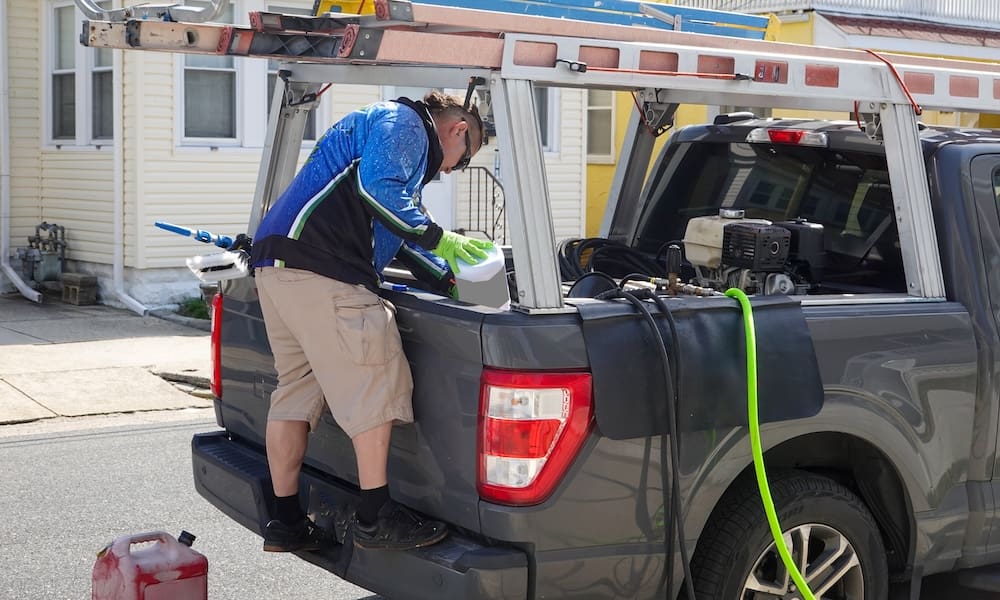
Your tools and equipment are vital to your operations, but they’re also vulnerable to theft and damage. The misconception that they’re covered by auto insurance when stored in a truck or trailer can lead to costly gaps. Instead, consider inland marine insurance, which specifically covers tools and equipment, whether on-site or in transit.
Theft from Vehicles
Theft can be a common risk, especially when equipment is left overnight at rural job sites across Webster and Boone County. Your first line of defense against theft of your equipment is to keep it secure and locked up when not in use, especially when you are not on the job site. From an insurance perspective, inland marine insurance offers coverage for such scenarios, ensuring that your business can recover quickly from losses.
Hired and Non-Owned Auto Coverage
If your employees use personal vehicles for business purposes, such as transporting materials or visiting job sites, you probably need non-owned auto insurance and maybe hired auto liability too. This coverage protects your business from liability in the event of an accident involving a employee’s personal vehicle or a rental vehicle used for work.
Navigating Additional Insured and Certificates of Insurance
General contractors often require subcontractors to add them as an additional insured on their policies. This provides them with coverage under your policy for claims related to your work. Understanding how to issue certificates of insurance and the implications of additional insured status is crucial for maintaining strong business relationships.
Local Considerations
Working across Ogden, Dayton, and rural Webster and Boone County presents unique challenges, such as long drive times and equipment storage in outbuildings. Tailoring your insurance to address these local factors can enhance your coverage and peace of mind.
For more detailed guidance on tailoring your insurance coverage to fit your specific needs as a Webster or a Boone County contractor, reach out to our agency. We’re here to help you navigate the complexities of insurance and ensure your business is well-protected.